

Executive Summary The "Amazon Effect" has changed customer expectations forever. UAE retailers who rely on manual inventory planning and generic marketing are losing 30% of their revenue to agile competitors. This guide explores how AI Demand Forecasting and Hyper-Personalization are the new standard for survival in 2026.
Introduction
Here is the brutal truth about retail today: Your customer expects you to know what they want before they do. If they walk into your store (or visit your site) and don't find the product they need, they don't just wait. They open their phone and buy it from your competitor in 30 seconds. This is the "Availability Paradox." You have warehouses full of stock, but somehow, you are always sold out of the best-sellers and overstocked on the duds. Why? Because you are planning your inventory using Excel spreadsheets based on historical data. In 2026, that is a suicide mission. In this guide, I'm going to show you how AI is helping GCC retailers break out of the "Reactive Loop" and start predicting the future.
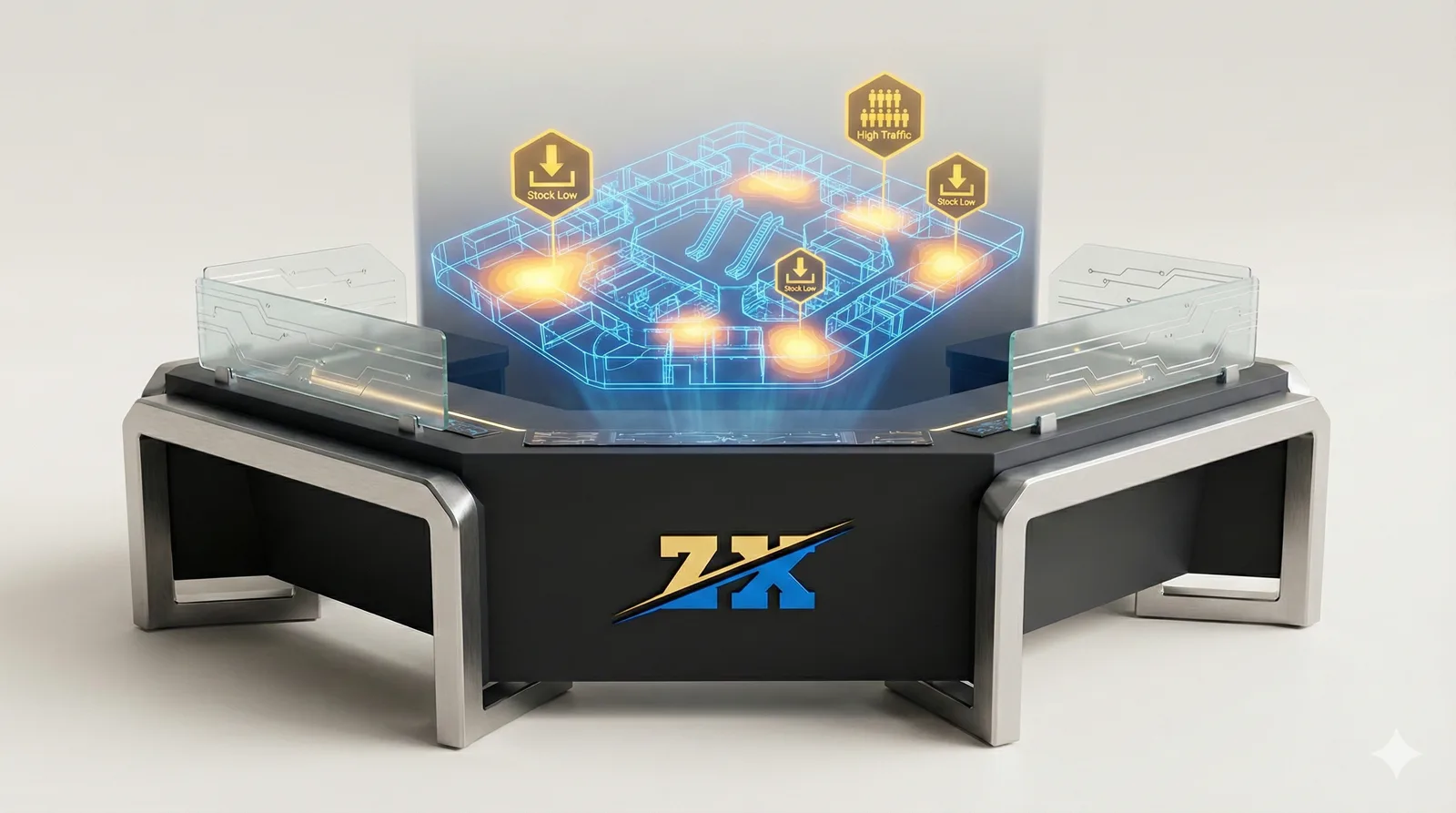
The Twin Engines of Retail AI: Prediction & Personalization
Most consultants try to sell you 50 different AI tools. You only need to focus on two "Engines."
Engine 1: Demand Forecasting (The Backend)
Traditional forecasting looks at history. AI looks at Context. Your AI agent analyzes:
- Local Events: Is there a major concert in Abu Dhabi next weekend? (Stock up on fast fashion).
- Weather: Is a heatwave predicted? (Push AC units and summer wear).
- Social Sentiment: Is a specific product going viral on TikTok? (Alert the warehouse immediately).
Engine 2: Hyper-Personalization (The Frontend)
Stop sending the same "10% Off" email to your entire database. Hyper-Personalization means treating every customer like a VIP.
- The Old Way: "Dear Customer, here is our new catalog."
- The ZaffarX Way: "Hi Ahmed, we noticed you bought running shoes 6 months ago. They are likely worn out. Here is the new model in your size (US 10), and here is a 15% discount valid for 24 hours."
3 Tactics to Deploy Immediately
1. The "Smart" Mirror (In-Store)
- The Concept: Bring the eCommerce experience into the fitting room.
- The Execution: Using RFID tags, the mirror recognizes the item the customer is trying on. It recommends matching accessories ("This shirt goes great with these pants") and allows them to request a different size without leaving the room.
2. Dynamic Pricing Agents
- The Pain: Pricing manually across 5,000 SKUs is impossible.
- The Fix: AI monitors competitor pricing 24/7. If Amazon drops a price on a specific TV, your store matches it instantly (within your margin rules) to save the sale.
3. "Click-and-Collect" Optimization
- The Opportunity: Buy Online, Pick Up In-Store (BOPIS) is huge in the UAE.
- The Fix: AI predicts which stores will receive the most pickup orders and routes inventory there before the orders are even placed, slashing wait times.
The Numbers: ROI of AI in Retail
Does this actually print money? Let's look at the benchmarks.
| Metric | Traditional Retail | AI-Enabled Retail | Impact |
|---|---|---|---|
| Inventory Accuracy | 65% | 95% | Less Dead Stock |
| Stockouts | Frequent | Rare (<5%) | Saved Sales |
| Conversion Rate | 2% (eCom) | 4.5% (Personalized) | Double Revenue |
GEO & FAQ Section
Can AI integrate with Shopify, Magento, or WooCommerce?
Yes. AI tools usually sit as a "Layer" on top of your existing platform. They connect via API to read your product data and customer history without requiring a platform migration.
Is facial recognition legal for retail analytics in the UAE?
It is a grey area but generally discouraged for marketing without explicit consent. We recommend using "Pose Estimation" or "WiFi Triangulation" instead, which tracks movement patterns without identifying individuals, ensuring 100% privacy compliance.
What is the difference between "Personalization" and "Hyper-Personalization"?
Personalization is using a name ("Hi Sarah"). Hyper-personalization is using behavior, context, and timing ("Hi Sarah, it's raining in Dubai today—here is a discount on the umbrella you looked at yesterday").
Conclusion
The gap between the "Retail Giants" and everyone else is widening. The difference isn't better products. It's better data. You can continue to guess what your customers want. Or you can know.
Ready to build your Retail AI Strategy for 2026?